Leaders Serve Their People First
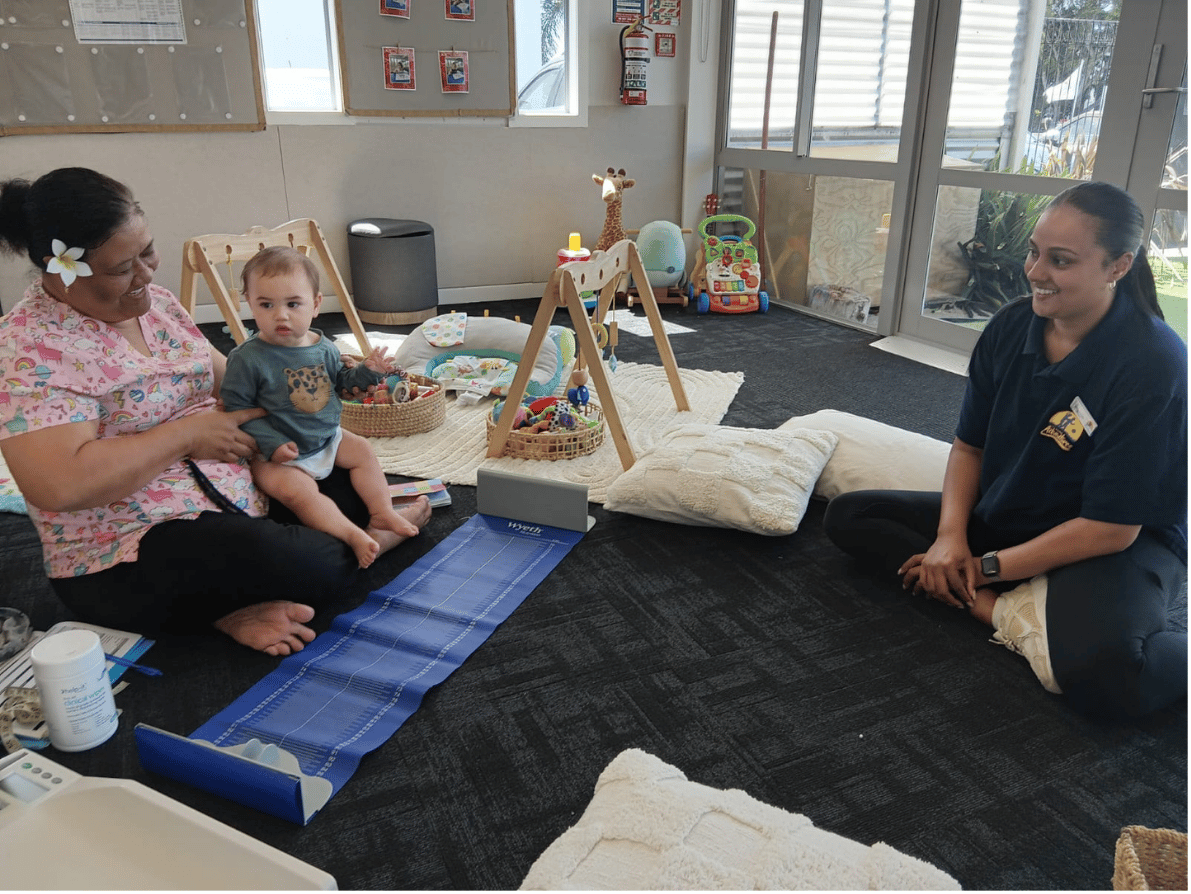
Knowing Our Children Means Knowing Their Worlds
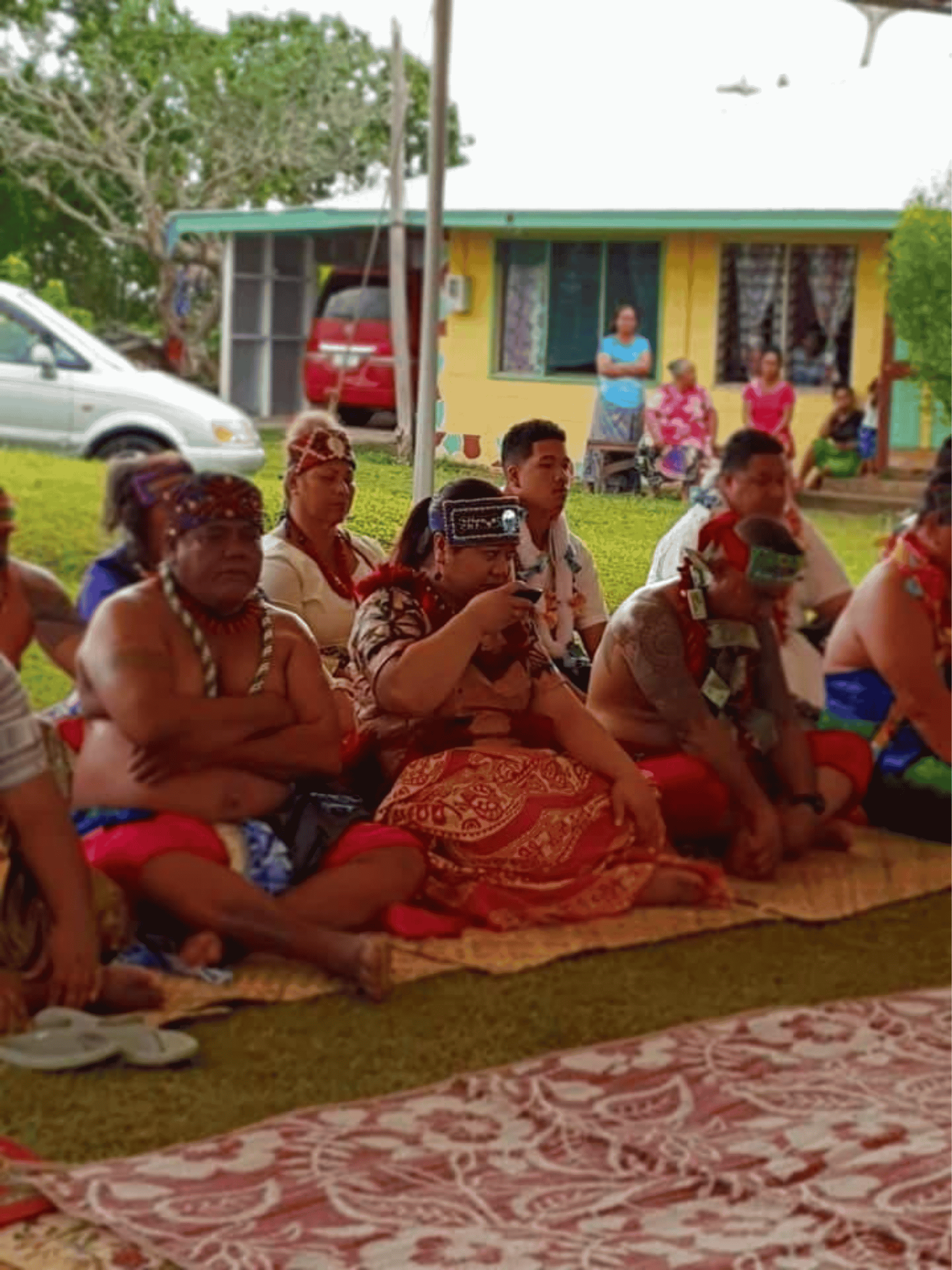
Serving Through Culture and Talanoa
Pasifika leadership values talanoa — open, respectful dialogue grounded in relationship.
Through talanoa, we listen to understand, not to respond.
Through talanoa, we listen to understand, not to respond.
Each service must be culturally responsive:
· One way of serving does not fit all
· Cultural knowledge matters
Leadership requires humility and curiosity, serving others means learning how families want to be served - not assuming we already know.
Honouring Language as Leadership
Language is a powerful act of service.
Te Whāriki reminds us that bilingual and multilingual faia'oga:
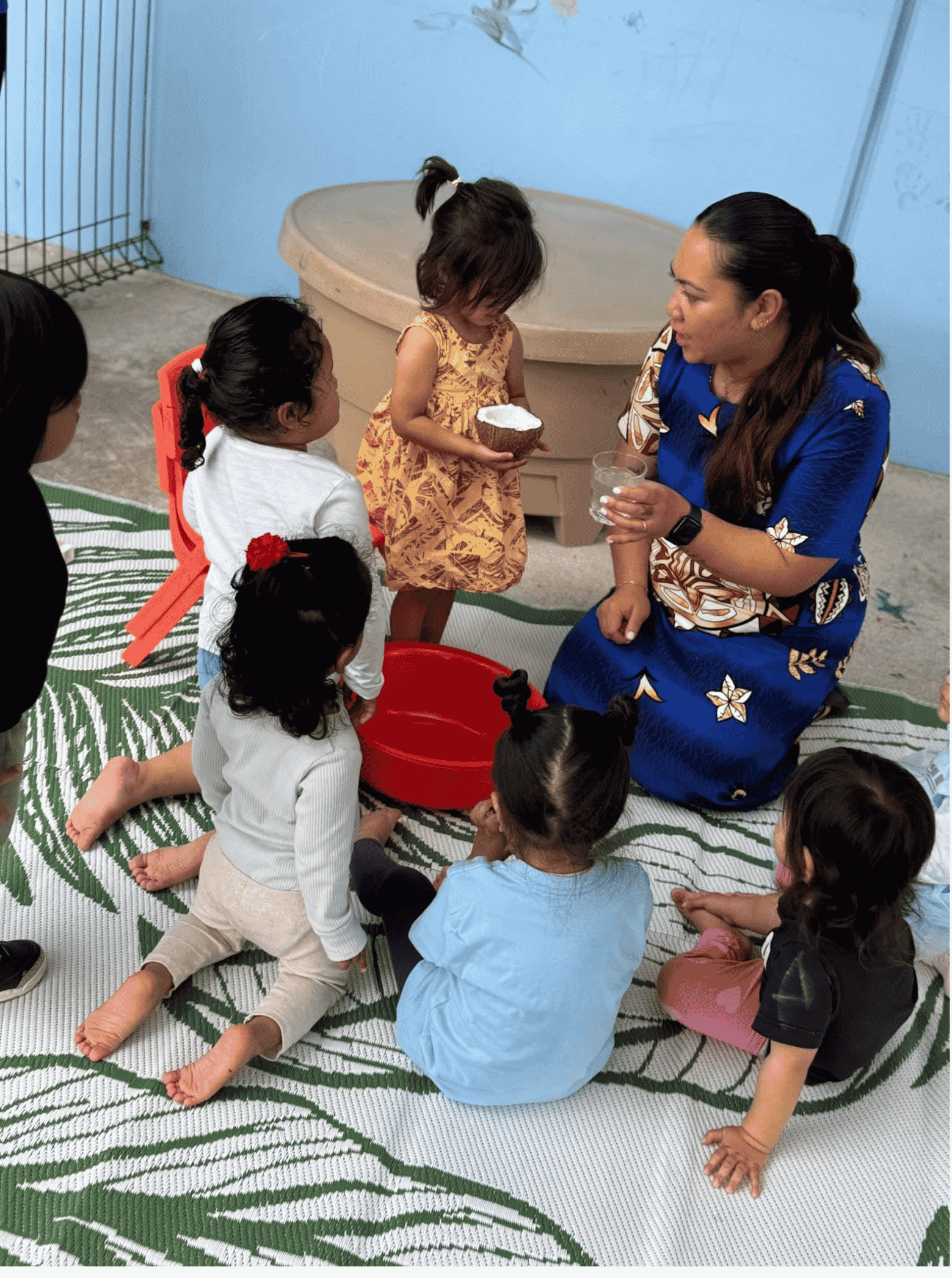
· Help children hear and use their home languages
· Support communication and belonging
· Strengthen connections with whānau
· Model pride in identity and culture
Pasifika learners and families bring rich languages, values, and ways of being. When faia'oga weave home languages into daily practice through songs, stories, displays, and everyday conversation - children feel seen and valued.
Language affirms identity. Identity supports wellbeing. Wellbeing supports learning.
Tapasā: A Guide for Our Journey
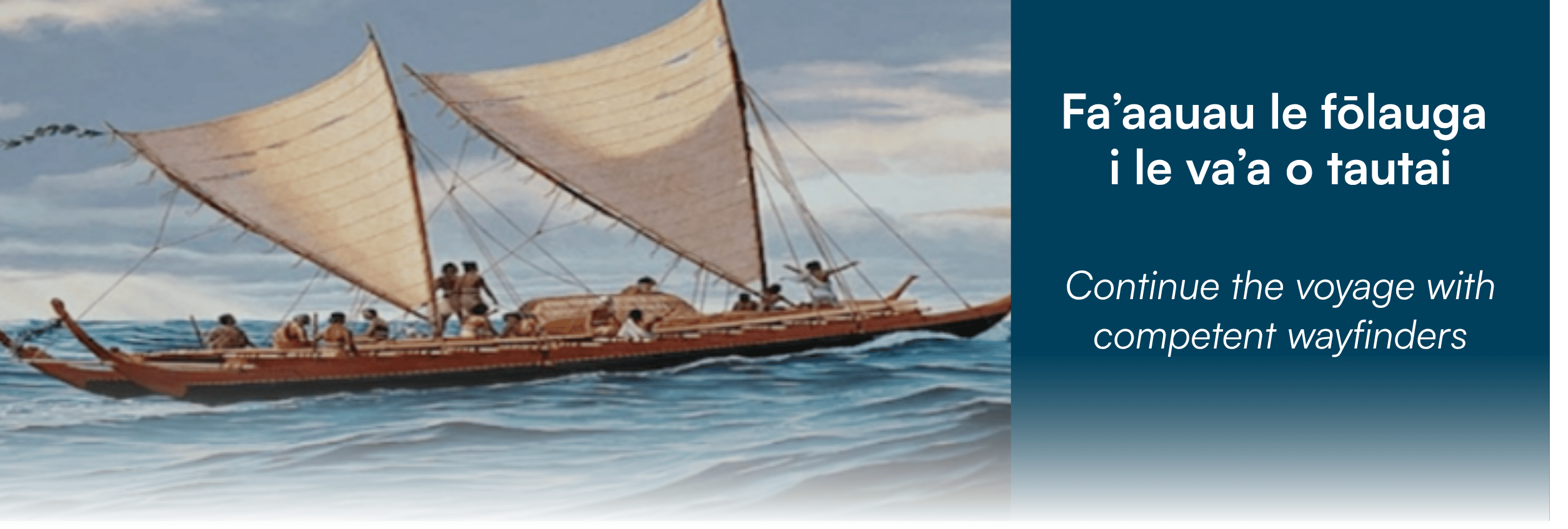
Like ancestral navigators who read stars, winds, and currents, Tapasā offers faia'oga guidance rather than fixed direction.
It supports teachers to:
· Build strong relationships with Pasifika learners and families
· Create shared visions for success
· Honour Pacific values such as respect, service, family, belonging, and reciprocity
Tapasā reminds us that leadership is relational — it exists within the va, the sacred space between people.
Serving with Our Talents and Passions
Another powerful reminder from Pasifika leadership is that service is not only about skills — it is about who we are. Our talents, passions, languages, and lived experiences are gifts to our communities.
What could you bring to your centre?
· A language you speak
· Music, dance, storytelling, or art
· Cultural knowledge
· A skill that supports whānau wellbeing
When faia'oga share their talents, children are inspired. Research shows that teacher passion directly influences children’s motivation and engagement.
Relationships Before Roles
Pasifika leadership is grounded in relationships — between parents and children, siblings, chiefs and communities, teachers and learners. Leadership works because it is collectively upheld.
ECE leadership is strongest when it reflects this truth: we do not lead alone.
A Call to Reflection
I invite you to reflect honestly:
· What does service mean to me as a faia'oga?
· How do I serve children, whānau, and colleagues?
· What could I do differently or better?
· How can Pacific perspectives shape my daily practice?
And finally, a reminder that sits across both Māori and Pacific worldviews:
“He aha te mea nui o te ao?
O le ā le mea e pito sili ona tāūa?
What matters most?
- It is people, it is people; it is people.
O le ā le mea e pito sili ona tāūa?
What matters most?
- It is people, it is people; it is people.